Custom Push Notifications: How Personalized Messaging Drives Higher Engagement in E-Commerce
In today’s crowded digital landscape, getting a customer’s attention is harder than ever. Emails go unopened, ads are skipped, and social posts disappear in seconds. But there’s one channel that still cuts through the noise when done right — push notifications.
The key phrase here is when done right.
Generic push notifications like “Big Sale Live Now!” no longer work. Customers expect relevance, timing, and personalization. This is where custom push notifications come in — a powerful tool that helps e-commerce brands engage users, increase retention, and drive repeat purchases.
In this blog, we’ll break down what custom push notifications are, why they matter, and how businesses can use them strategically to boost conversions and customer loyalty.
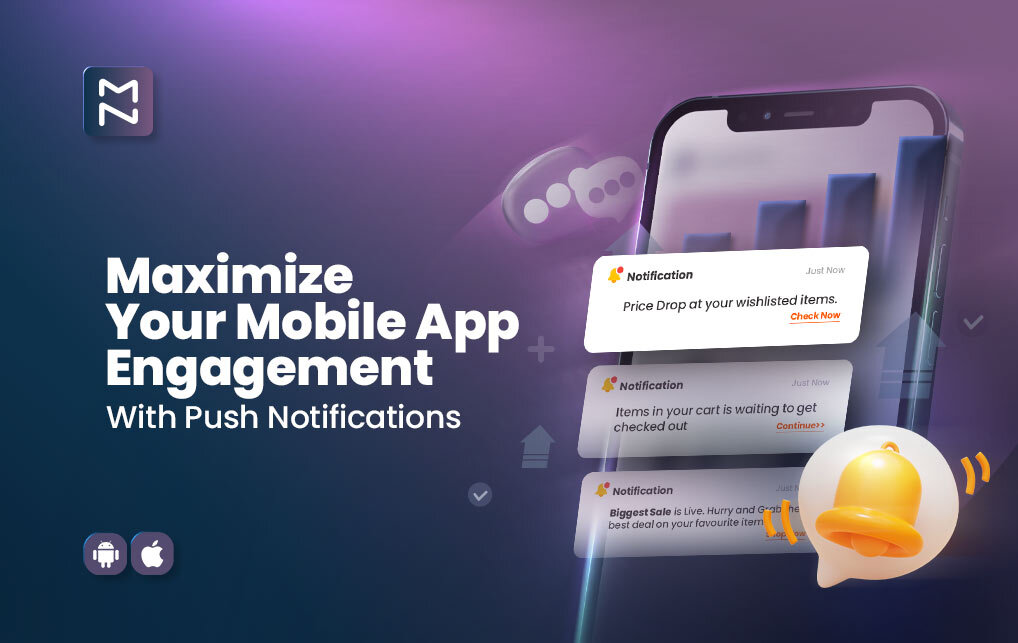
What Are Custom Push Notifications?
Custom push notifications are personalized messages sent to users’ devices based on their behavior, preferences, location, or stage in the customer journey.
Unlike standard push notifications that are sent to everyone at once, custom push notifications allow brands to:
Target specific user segments
Personalize content dynamically
Automate messages based on triggers
Deliver the right message at the right time
These notifications can be tailored using data such as:
Browsing history
Purchase behaviour
Cart activity
App usage frequency
Geographic location
The result? Messages that feel helpful instead of intrusive.
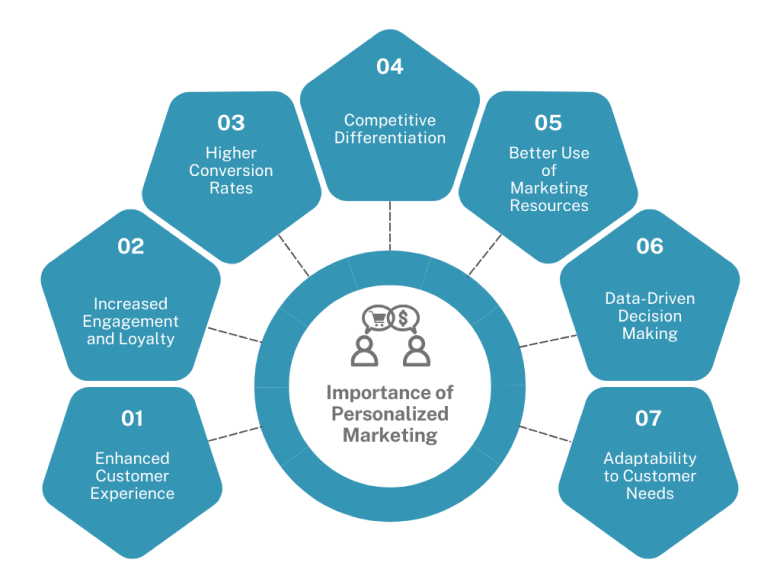
Why Custom Push Notifications Matter for E-Commerce
Mobile apps already have higher engagement rates than mobile websites. When paired with personalized push notifications, the impact multiplies.
Here’s why custom push notifications are critical for e-commerce growth:
1. Higher Open and Click-Through Rates
Personalized push notifications can increase open rates by up to 4x compared to generic messages. Users are more likely to engage when the message is relevant to them.
2. Improved Customer Retention
Retention is one of the biggest challenges for online stores. Custom push notifications help bring users back to the app by reminding them of products they care about or offers they might miss.
3. Increased Conversion Rates
From abandoned cart reminders to price-drop alerts, custom notifications directly influence purchasing decisions.
4. Better Customer Experience
Well-timed and relevant notifications feel like assistance — not advertising. This improves brand perception and long-term loyalty.
Types of Custom Push Notifications You Can Use
To get the most out of push notifications, brands need to move beyond promotions. Below are the most effective types of custom push notifications for e-commerce apps.
Behavioural Push Notifications
These are triggered by user actions such as:
Viewing a product multiple times
Adding items to cart but not checking out
Browsing a specific category
Example:
“Still thinking about those running shoes? They’re almost out of stock 👟”
Transactional Push Notifications
These notifications keep users informed and build trust.
Common use cases:
Order confirmation
Shipping updates
Delivery notifications
Example:
“Your order #45678 has been shipped and will arrive tomorrow 🚚”
Promotional Push Notifications
When personalized, promotions feel exclusive rather than spammy.
Customization options include:
User-specific discounts
Category-based offers
Time-sensitive deals
Example:
“Hi Sarah! Enjoy 15% off on skincare — just for you, today only 💄”

Re-Engagement Push Notifications
These are ideal for inactive users.
Triggers can include:
No app activity for 7–30 days
No purchases in a set timeframe
Example:
“We miss you! Here’s ₹300 off your next order to welcome you back 🎁”
Location-Based Push Notifications
Perfect for omnichannel brands and local promotions.
Example:
“You’re near our store! Drop by today and get an exclusive in-store offer 📍”
Best Practices for Custom Push Notifications
Sending push notifications is easy. Sending effective ones takes strategy.
1. Segment Your Audience Smartly
Avoid one-size-fits-all messaging. Segment users based on behavior, demographics, and purchase history.
2. Personalize More Than Just the Name
Go beyond “Hi John.” Personalize product recommendations, categories, and offers.
3. Timing Is Everything
Sending notifications at the wrong time can hurt engagement. Analyze when your users are most active and schedule accordingly.
4. Keep the Message Short and Clear
Push notifications are not emails. Be concise, actionable, and focused on one clear goal.
5. Use Rich Push Features
Images, emojis, CTA buttons, and deep links can significantly improve click-through rates.
Common Mistakes to Avoid
Even well-intentioned push strategies can backfire if not handled carefully.
Avoid these mistakes:
Sending too many notifications
Using misleading or clickbait content
Ignoring user preferences
Not testing notification performance
Over-notification is one of the top reasons users disable push permissions or uninstall apps.
Measuring the Success of Custom Push Notifications
To optimize your push notification strategy, track the right metrics:
Open Rate – How many users open the notification
Click-Through Rate (CTR) – Engagement with the message
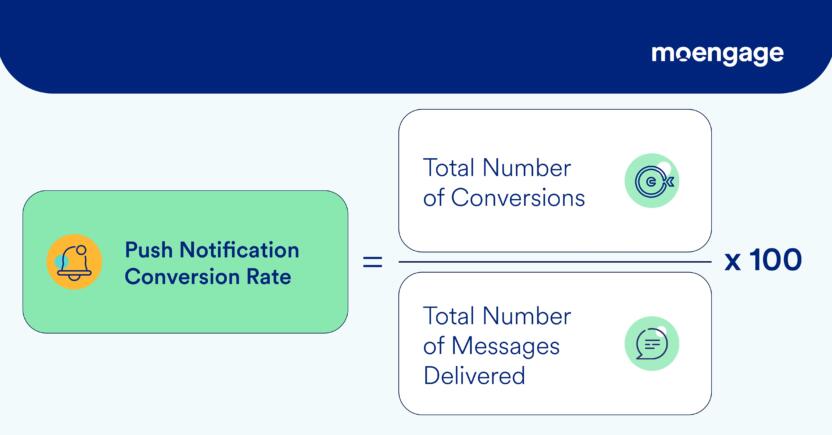
Conversion Rate – Purchases or actions taken
Opt-Out Rate – Indicates notification fatigue
Revenue per Notification – Measures ROI
Regular A/B testing of messaging, timing, and personalization elements can help improve results over time.
Why Mobile Apps Amplify the Power of Push Notifications
Custom push notifications perform best within native mobile apps, where brands have direct access to users without relying on third-party algorithms.
With a mobile app, businesses can:
Send unlimited push notifications
Use real-time behavioral triggers
Deep link users to specific app screens
Combine push with in-app messaging
This makes push notifications one of the highest-ROI marketing channels for e-commerce brands.
Final Thoughts
Custom push notifications are no longer optional — they’re essential for brands that want to stay competitive in mobile commerce.
When used strategically, they:
Improve engagement
Increase repeat purchases
Strengthen customer relationships
Drive measurable revenue growth
The difference between spam and success lies in personalization, timing, and relevance. Brands that master custom push notifications don’t just communicate — they connect.