Why Product Returns Are Draining Ecommerce Growth
Product returns have quietly become one of the biggest challenges for modern businesses. While easy returns attract customers, the operational, financial, and emotional cost of handling them is rising fast. From logistics expenses to inventory disruption and customer dissatisfaction, returns affect far more than just the bottom line.
As ecommerce continues to scale—especially on mobile—businesses must rethink how they approach returns, not as an afterthought, but as a core part of the customer experience.
The Real Impact of Product Returns
Returns don’t just mean refunded money. They trigger a chain reaction:
Increased reverse logistics costs
Inventory forecasting issues
Loss of resale value
Higher operational workload
Frustrated customers and teams
For businesses operating across web and mobile app channels, returns can also expose gaps in product understanding, communication, and post-purchase engagement.
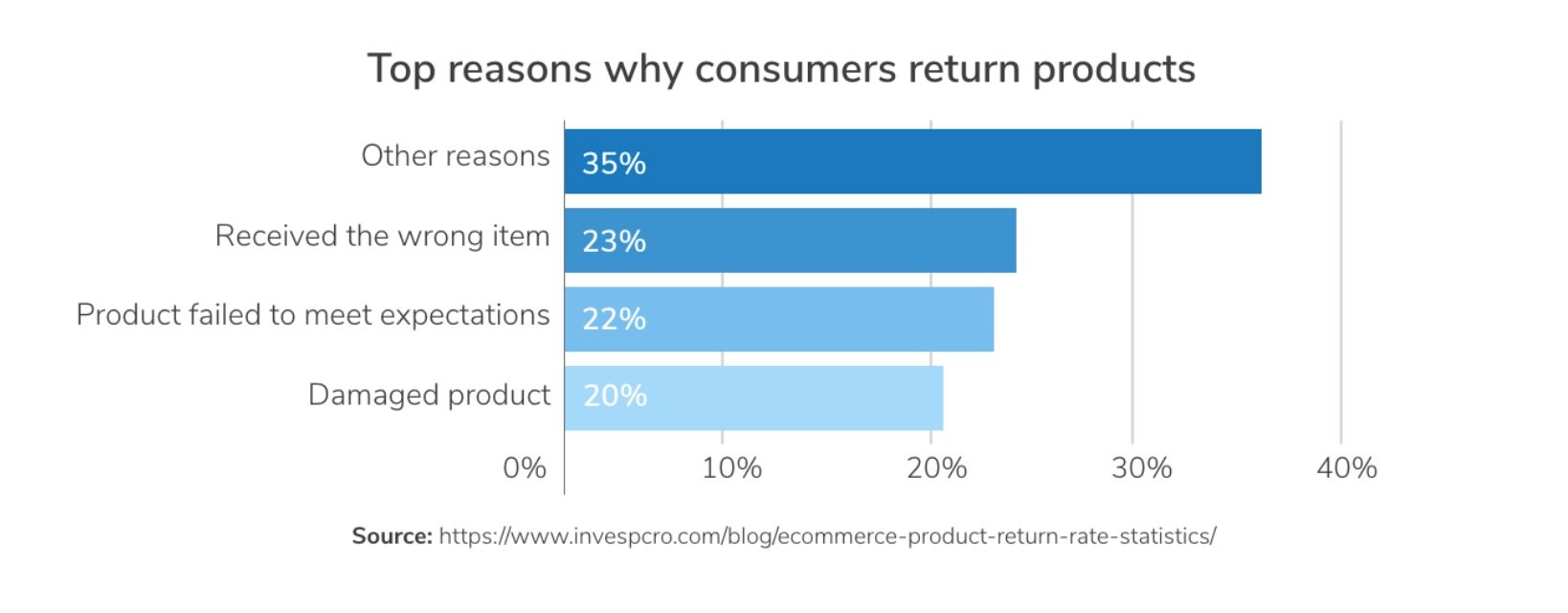
Why Customers Return Products So Often
Understanding the why is the first step toward improvement.
1. Mismatch Between Expectation and Reality
Poor product descriptions, unclear images, or misleading promotions often result in disappointment. When customers don’t fully understand what they’re buying, returns become inevitable.
2. Size, Fit, and Usability Confusion
This is especially common in fashion, accessories, and electronics. Without enough guidance, customers guess—and return if the product doesn’t fit their needs.
3. Impulse Buying During Sales
Flash sales and festive offers encourage quick decisions. Later, buyers regret purchases and initiate returns.
4. Delayed or Poor Delivery Experience
Late deliveries or damaged packaging can cause customers to reject the order entirely, even if the product itself is fine.
How Businesses Can Reduce Return Rates Without Hurting Sales
Reducing returns doesn’t mean making the process harder. It means making the purchase experience clearer and more confident.
Improve Product Clarity Before Purchase
Detailed product descriptions, clear specifications, size guides, and high-quality visuals help customers make informed decisions.
For businesses using an ecommerce mobile app, this becomes even more important. Mobile users scroll quickly, so information must be simple, visual, and easy to digest.
Use Visuals and Real-World Context
Product videos, 360-degree images, and customer-generated photos show how a product looks and works in real life. This reduces uncertainty and buyer regret.
Leverage Mobile Apps for Better Guidance
A well-designed mobile app built using a drag and drop mobile app builder can guide customers with:
Smart recommendations
In-app FAQs
Personalized suggestions
Clear return policies visible before checkout
When customers feel guided, they return less.
Set Clear Return Expectations
Confusion around return timelines, conditions, or refunds leads to frustration. Transparent policies displayed at key touchpoints build trust and reduce unnecessary returns.
Use Data to Spot Return Patterns
Track which products are returned most and why. Is it sizing? Quality? Packaging? Repeated return reasons point to fixable issues in listings or fulfilment.
Strengthen Post-Purchase Communication
Simple actions like order confirmation updates, delivery tracking, and usage tips can prevent returns caused by confusion or impatience.
Mobile apps excel here by offering real-time notifications and support access.
Encourage Exchanges Over Refunds
Many customers don’t want their money back—they want the right product. Offering easy exchanges keeps revenue intact and improves satisfaction.

Turning Returns Into a Better Customer Experience
Returns don’t always signal failure. When handled thoughtfully, they can:
Build trust
Encourage repeat purchases
Reveal improvement opportunities
Strengthen brand credibility
Customers remember how a return was handled more than the return itself.

Final Thoughts
Product returns are a complex challenge, but they’re not unbeatable. By improving clarity, using better visuals, optimizing mobile experiences, and communicating transparently, businesses can reduce return rates while keeping customers happy.
In a world where ecommerce is increasingly mobile-driven, the right tools—like a well-built ecommerce mobile app—can make all the difference. When customers buy with confidence, they return with loyalty.