Dark Patterns in E-commerce: Why Platforms Are Finally Being Forced to Put Shoppers First
If you’ve ever felt tricked into buying something online, signing up for a subscription you didn’t want, or struggling to cancel a service, you’ve likely encountered a dark pattern—even if you didn’t know the term.
With top e-commerce platforms and quick commerce startups now required to eliminate dark patterns, the industry is entering a much-needed phase of transparency. But what exactly are dark patterns, and why do they matter so much for modern e-commerce and mobile apps?
What Are Dark Patterns?
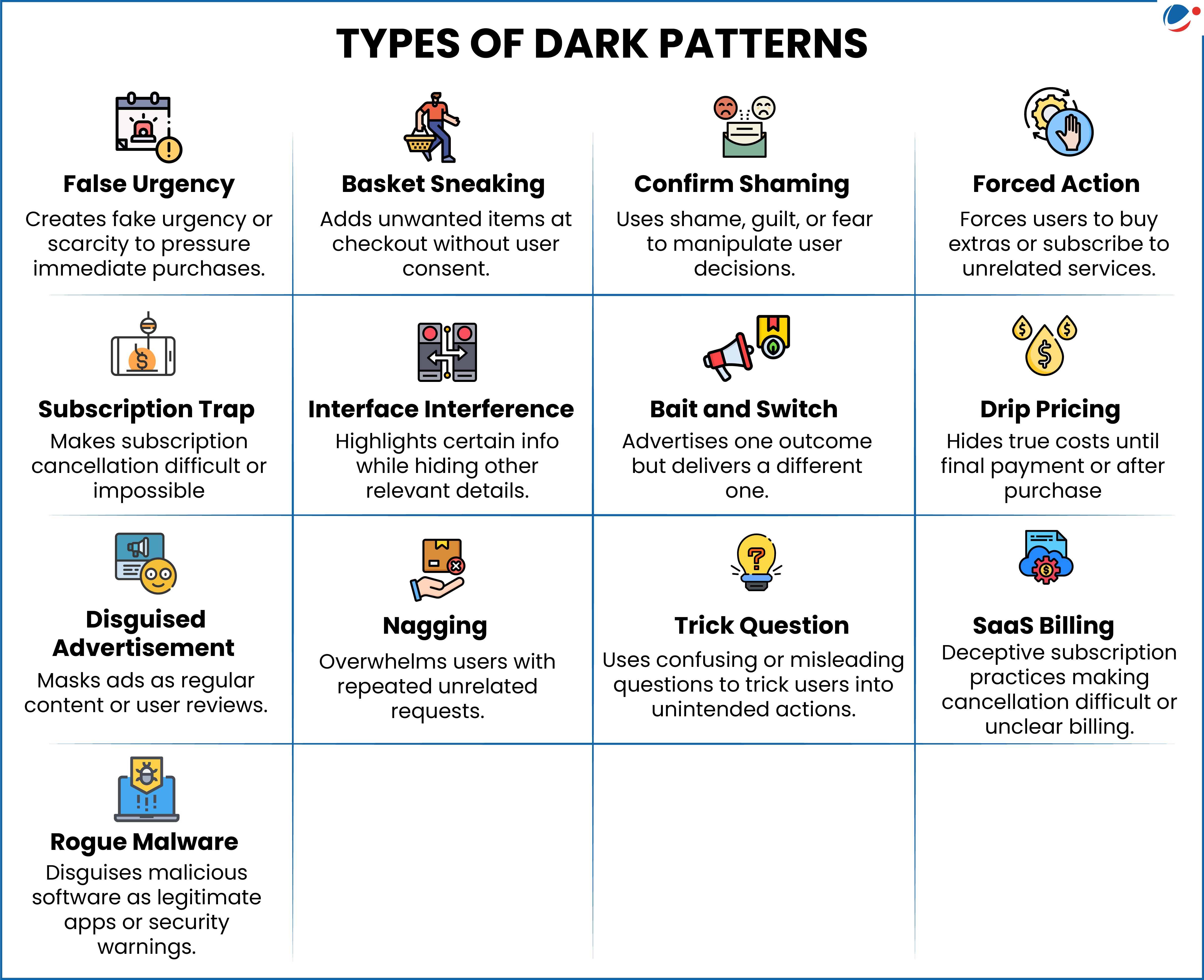
Dark patterns are deceptive design techniques used in websites or apps to manipulate users into actions they didn’t intend to take. These tactics are often subtle and embedded deep within the user experience, making them hard to notice at first.
Common examples include:
Showing hidden fees only at the final checkout step
Pre-checked boxes for subscriptions or add-ons
Creating fake urgency like “Only 1 left!” when stock is actually available
Making the “Cancel” button hard to find
Forcing users into sign-ups to access basic features
While these tricks may boost short-term conversions, they damage trust—and trust is everything in digital commerce.
Why Are E-commerce Platforms Eliminating Dark Patterns Now?
Regulatory bodies have stepped in to protect consumers as online shopping and quick commerce continue to grow. Authorities now expect platforms to prioritize fairness, clarity, and honest communication.
For e-commerce brands, this shift is not just about compliance—it’s about survival. Today’s shoppers are more aware, more vocal, and far less forgiving of manipulative experiences.

The Impact on Mobile Commerce
Dark patterns are especially harmful in mobile experiences, where limited screen space makes it easier to hide information or mislead users.
This is why brands investing in an ecommerce mobile app must think beyond flashy design and focus on ethical UX. A clean, transparent app experience leads to:
Higher user trust
Better app reviews
Lower uninstall rates
Stronger long-term retention
Modern app experiences are moving away from manipulation and toward user-first design.
Ethical UX Is the New Conversion Strategy
Eliminating dark patterns doesn’t mean sacrificing growth. In fact, brands that simplify choices and communicate clearly often see higher quality conversions.
Using a no-code app builder, businesses can now design mobile apps that:
Clearly display pricing and offers
Offer easy subscription management
Provide transparent checkout flows
Respect user consent and preferences
Ethical design is no longer optional—it’s a competitive advantage.
What This Means for Brands Going Forward
The message is clear: short-term tricks don’t build long-term brands. As regulations tighten and users become more discerning, the brands that win will be those that earn trust, not exploit attention.
Whether you’re running a website or launching a mobile app, removing dark patterns isn’t just about following rules—it’s about creating experiences customers actually want to return to.
Final Thought
Dark patterns may have worked in the past, but today’s digital commerce ecosystem demands honesty. Brands that invest in transparent design, ethical UX, and user-friendly mobile apps won’t just stay compliant—they’ll stand out.